The Digital Media concentration is designed for students interested in pursuing careers in the creative fields, such as graphic design, video, motion graphics, user experience (UX), user interface (UI), interactive media, game design and branding design. This concentration is ideal for students seeking to specialize in creating compelling digital content across a variety of platforms.
The program combines a solid foundation of theoretical knowledge with practical, hands-on experience, enabling students to develop creative, technical and analytical skills. Students will learn how to identify and solve communication challenges, adapting their approach to different media, formats, and audience needs. Whether working in video editing, branding design, animation, or interactive media, the curriculum is structured to prepare students for the diverse and rapidly evolving digital media landscape.
In addition to core coursework, students will have opportunities to apply their skills to real-world projects, and internships, where they can gain practical experience and make professional connections. Graduates of the program will be well-equipped to enter the digital media industry, capable of developing innovative solutions to communication problems and creating impactful visual and interactive content.
Digital Media Learning Outcomes:
- Apply technical skills in digital imaging, graphic design, video production, animation, interactive media and game design to create high-quality, professional projects across diverse platforms and media formats.
- Employ critical thinking and analytical skills to identify, evaluate, and address communication challenges in various media contexts by using appropriate digital tools and strategies.
- Integrate core principles of design to produce effective and aesthetically compelling digital content for diverse audiences.
- Combine theoretical knowledge in digital media and communications with hands-on practice to design, produce, and deliver projects that effectively communicate concepts and messages.
- Gain proficiency in industry-standard software and tools used in digital media production, including video editing, graphic design, animation software, and game development platforms.
In addition to the Communications Requirements, Digital Media Majors must complete the following courses:
- COMM 2310 Media Arts
- COMM 3170 Design for Print and Digital Media
- COMM 3320 Video and Motion Graphics
- COMM 3330 Game Design
- COMM 3380 UX & UI Design
- COMM 4330 Branding Strategy or COMM 4320 Media Production Techniques
Digital Media Career Path:
- Graphic Designer
- Video editor and Animator
- Game artist & designer
- UX & UI designer
- Interactive media designer
General Core Requirements (15 units)
A. Lower Division Required Courses (6 units)
COMM 2020 Introduction to Communications Studies
COMM 2038 Visual Language
B. Upper Division Required Courses (9 units)
COMM 3000 Theories of Communication
COMM 3010 Mass Media Law
COMM 4908 Senior Seminar
C. Upper Division Writing Course (3 units)
COMM 3008 Technical and Report Writing
Digital Media (18 units)
Required Courses:
COMM 2310 Media ArtsCOMM 3170 Design for Print and Digital Media
COMM 3320 Video and Motion Graphics
COMM 3330 Game Design
COMM 3380 UX & UI Design
COMM 4330 Branding Strategy or COMM 4320 Media Production Techniques
Communications Studies Courses (6 units)
Select two upper division courses:
COMM 3020 Ethical Issues in the Media
COMM 3028 Graphic Design from Prehistory to AI
COMM 3038 Video Game Analysis
COMM 3048 Art of Film
COMM 3050 Interpersonal Communication
COMM 3058 Intercultural Communication
COMM 3060 Communication in the Organization
COMM 3068 Film & Society or COMM 3098 World Film History
COMM 3070 Health Communication
COMM 3077 Special Topics
COMM 3078 Mass Media and Society
COMM 3088 Gender and Communication
COMM 3350 3D Animation
COMM 4077 Special Topics in Communication
COMM 4320 Media Production Techniques
Electives Courses (6 units)
Six (6) additional upper division units in Communications courses selected in consultation with a faculty advisor.
Portfolio Requirement
As part of COMM 4908 (Senior Seminar), each student will prepare a portfolio that displays what has been gained from the major in Communications. The portfolio is a collection of materials that addresses each of the goals that the program 129 COMMUNICATIONS faculty expects students to achieve It also includes a personal statement and a brief analysis of each course taken for the major in Communications.
To create a portfolio, each student should maintain evidence from all communications courses and from other experiences that provide support for the student’s accomplishments as a Communications major. Questions about the portfolio may be directed to the student’s advisor or to any communications faculty member.
Lower Division Core Courses
COMM 2020 Introduction to Communication Studies (3)
Survey of the role of communication in daily life; concepts and contexts therein. Emphasis on the acquisition of media literacy skills and critique, as may be applicable, for upper division work in the discipline. Prerequisite: COMM 1008.
COMM 2038 Visual Language (3)
Upper Division Required Courses
COMM 3000 Theories of Communication (3)
How theories are constructed. Survey of theoretical approaches to communication drawing on the social sciences and humanities. Prerequisite: COMM 2020 or the equivalent for majors.
COMM 3010 Mass Media Law (3)
Designed to broaden the student’s understanding of laws that pertain to the mass media. Philosophical appreciation of the legal framework within which the mass media operates and pragmatic familiarity with the legal problems most often encountered by journalists and related professionals is anticipated. The course will examine the development of the law regarding the First Amendment to the U.S. Constitution and such related legal areas such as libel, obscenity, censorship, privacy, free press and fair trial, journalist’s privilege, the right of access to government information, access to the press, the doctrine of commercial speech (advertising), and copyright.
COMM 4908 Senior Seminar (3)
An advanced course in analysis and application of communication research methods. Specific topics will vary. Individual student research projects and reports. When possible, students contribute to ongoing faculty research. Students will submit a portfolio demonstrating skills and knowledge gained in the Communications major. Prerequisite: COMM 3000.
Upper Division Writing Course
COMM 3008 Technical and Report Writing (3)
Extensive practice in writing clearly and persuasively in technical and specialized forms such as reports of experiments, abstracts, business reports and proposals, letters, memoranda. Prerequisite: ENGL 1109 or the equivalent with a grade of “C” or better and upper division standing. GWAR
Digital Media Emphasis Required Courses
COMM 2310 Media Arts (3) - Fall
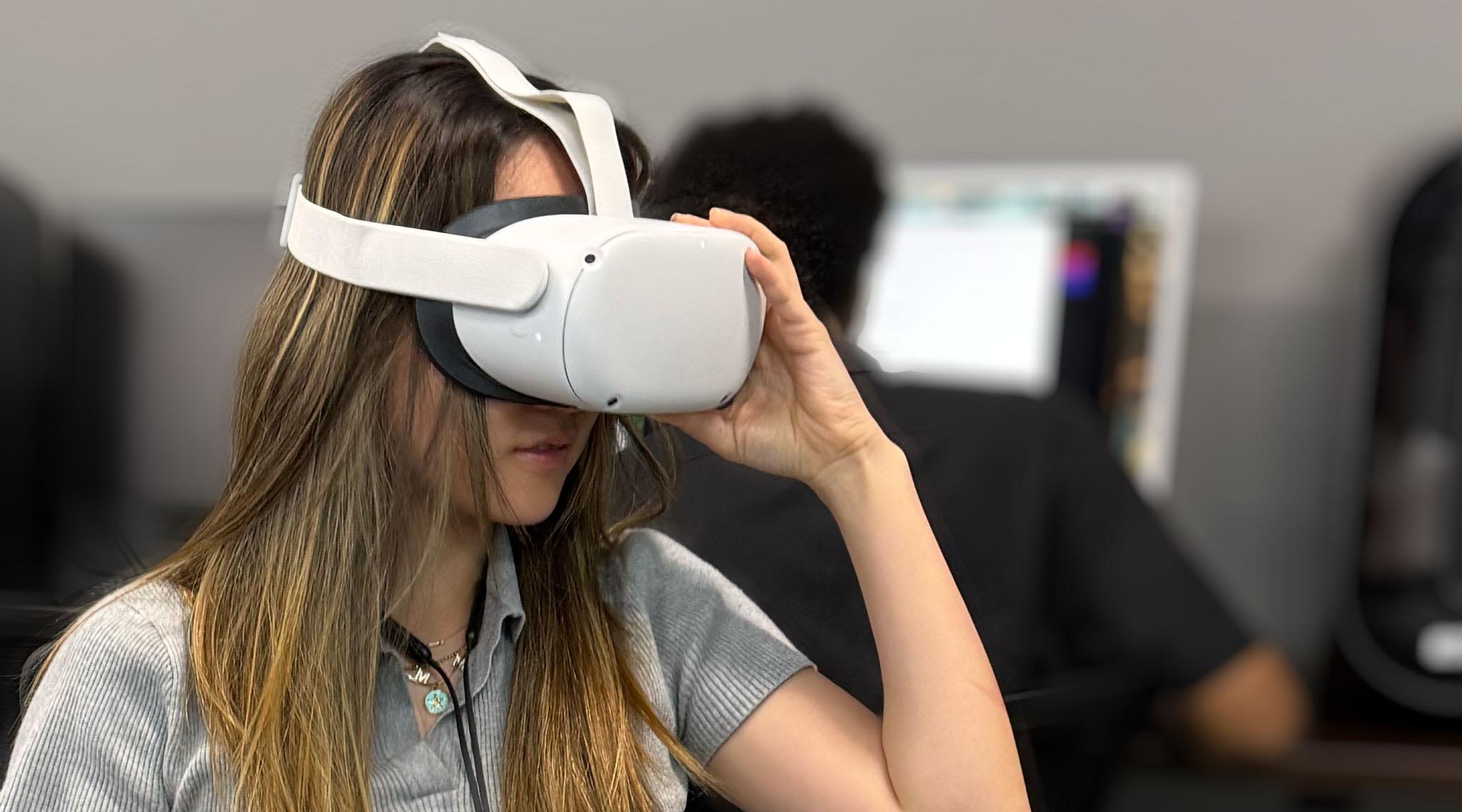
An examination of the major elements of film, video, video games, and immersive media, and the fundamentals of how to communicate using these forms. Time is shared between lecture/lab.
COMM 3320 Video and Motion Graphics (3) - Spring
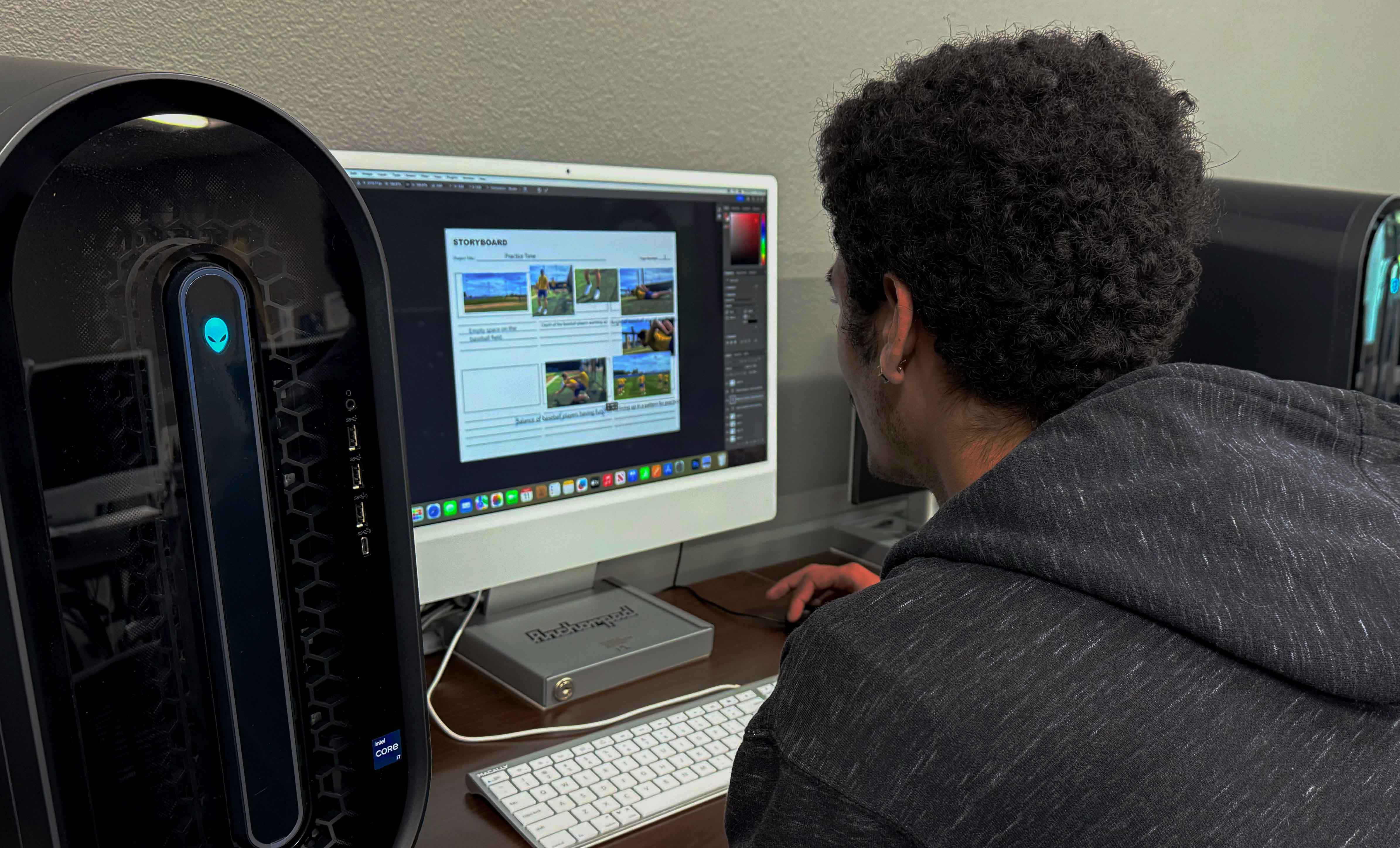
Introduces the fundamental technical abilities and conceptual approaches to communication via moving images and sound. Emphasis on cinematic language and basic interpersonal skills of production. Lecture/lab. Prerequisite: COMM 2310 or permission of instructor.
COMM 3330 Game Design (3) - Spring
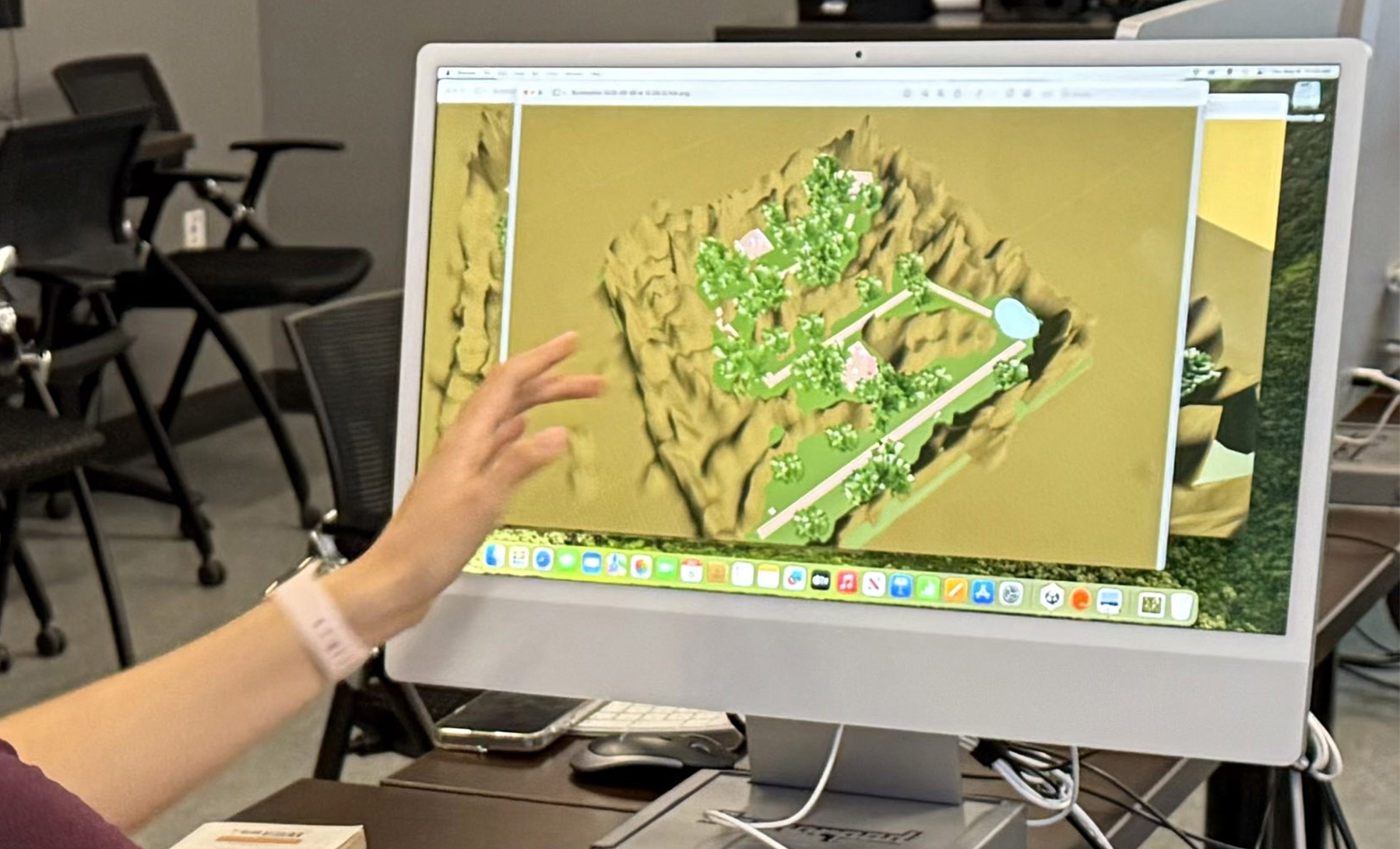
Analysis of the theory and practice of game design as interactive media and communication tool, particularly aligning with key skills in interaction design and spatial communication. Stresses the conceptual, aesthetic, critical, and technical concerns of interactivity in video game. Prerequisite: COMM 2310 or Instructor approval.
COMM 3340 User Experience/User Interface (3) Spring
A comprehensive exploration of the principle and practice of visual communication within the context of User Experience (UX) and User Interface (UI) design. Delve into the intersection of aesthetics and functionality. Students will learn how to create visually compelling and user-centered designs that enhance the overall user experience. Co-requisite: COMM 2038.
COMM 4320 Media Production Techniques (3) - Fall
This course examines the use of technology and emerging technologies in the execution of media projects. The focus will be on the use of various media tools to prepare and create projects for various distribution platforms. Time is split between lecture and lab. Prerequisite: COMM 2310 or Instructor Approval.
OR
COMM 4340 Branding Strategy (3) - Fall
Digital Media Emphasis Elective Courses
COMM 3028 Graphic Design from Prehistory to AI (3)
Explore the evolution of graphic design from its origins to contemporary practices.
Student will learn and analysis the graphic design works from illustrated manuscript
to AI imagery. Students will be introduced to the designers that had major impacts
on graphics and their innovations. Student will also gain the understanding of the
ethical implications of technology.
COMM 3038 Video Game Analysis (3)
Analysis of video games by examining design, criticism, and theory of video games.
This course will focus on video game structure and major topics in the areas of interactivity.
COMM 3048 Art of Film (3)
Study of the principles by which film and video texts create meaning through screenings,
lectures, and readings, with emphasis on major film theories and examination of narrative
and documentary forms.
COMM 3350 3D Animation (3)
Exploration of modeling, rigging, and animation techniques for video and games. Students will examine aesthetics, story development, and workflows for gaming and video. One hour lecture, two hours lab. Prerequisite: COMM 2310 OR ART 2210.
Contact Information
Digital Media Recommended Advisor
Joe Ren
Email: joeren@csub.edu
Office: MAC 119