Kern County Spotlight Panel
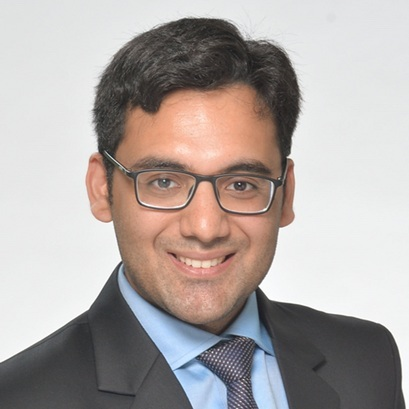

Tarabay H. Antoun, Ph.D.
Energy and Homeland Security Program Manager
Lawrence Livermore National Laboratory
Computational Geomechanics • National Security • Clean Energy Infrastructure
Grid Resiliency and Security: AI, Cyber Defense, and Reliability
Professional Bio:
Dr. Antoun is the Program Manager of the Energy and Homeland Security Program (E Program) in the Global Security Directorate at Lawrence Livermore National Laboratory. He has held this position since June 1, 2020. The E Program develops innovative multidisciplinary science and technology solutions for reliable clean energy supply, resilient infrastructure, domestic and cyber security, and defense systems.
Dr. Antoun’s prior position was as Division Leader of the Atmospheric, Earth and Energy Division (AEED) in the Physical and Life Sciences Directorate. Researchers in AEED utilize world-class scientific capabilities and modern high-performance computing facilities to engage in multidisciplinary research across a broad spectrum of atmospheric and Earth sciences supporting Laboratory programs in mission areas ranging from energy to national security.
Before becoming Division Leader in 2013, Dr. Antoun was the Computational Geosciences Group Leader in AEED, where research efforts focus on developing and using computational tools to understand the response of geologic materials in diverse environments and under varied loading conditions.
He has extensive experience using high-performance computing to study the response of frictional materials (ceramics, glass, concrete, and geologic materials) to strong shock waves, and the interaction of those waves with underground structures. He led the effort to maintain a world-class computational geomechanics capability for the laboratory, with applications to problems in national security, homeland defense, and energy and environment.
He joined the laboratory in 1998 after a six-year tenure with the Stanford Research Institute (SRI International), during which he performed numerical and experimental investigations aimed at understanding dynamic fracture and fragmentation in geologic materials.
Publications & Patents
Dr. Antoun, along with SRI and international colleagues, published the book Spall Fracture, representing the state of the art in analytical, experimental, and computational investigations of dynamic fracture. He is also the author of over 100 technical publications and holds a patent for a high-strain-rate method of producing optimized fracture networks in the subsurface for geothermal and other energy applications.
Education & Honors
Dr. Antoun received his Ph.D. in Mechanical Engineering from the University of Dayton (1991), following a B.S. in Civil Engineering (1983) and an M.S. in Structural Engineering (1986). He is a member of Tau Beta Pi, the engineering honor society, and the recipient of numerous awards, including several achievement awards from SRI, LLNL, and DOE.
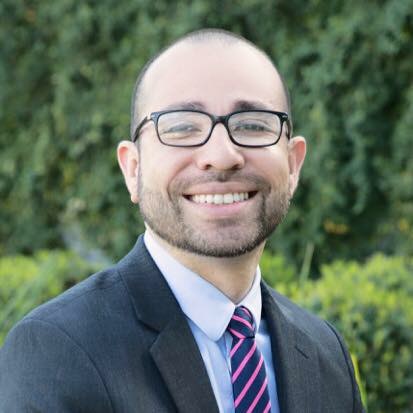
Manuel Barrera
Director of Sponsored Programs Development
Office of Grants, Research, and Sponsored Programs (GRASP)
Faculty Research • Student Engagement • Campus Initiatives
Carbon Storage: We Are Nearing Injection, Now What
Professional Bio:
Manuel Barrera is driven to advance research development and external funded projects. As the Director of Sponsored Programs Development at the Grants, Research, and Sponsored Programs office, he supports the development of externally funded proposals involving faculty research, student engagement, and campus initiatives. He holds Master of Public Administration and Educational Doctorate degrees. His experience includes working for the California State Assembly, administering federal and state funding, and nonprofit management. Manuel’s devotion toward his community led him to return to CSUB in seeking to support the University’s priorities, economic development, and student success.
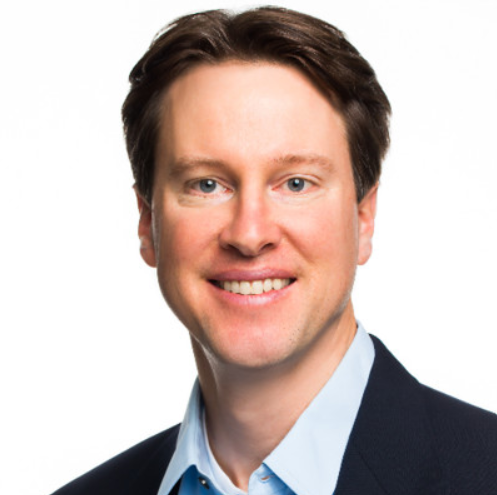
Myles Collins, Ph.D.
Researcher – Energy Markets & Planning
Lawrence Berkeley National Laboratory
RAND Graduate School Ph.D in Policy Analysis • Resilience Planning • Benefit-Cost Analysis • Utility Analytics
Valuing Power System Reliability and Resilience
Abstract:
Quantifying the economic value of reliability and resilience can play a vital role in utility planning activities and provide a basis for discussing utility investments with regulators. This presentation provides an overview of two decision-support tools developed by Lawrence Berkeley National Laboratory (LBNL): the Interruption Cost Estimate (ICE) Calculator and the Power Outage Economics Tool (POET). The ICE Calculator, recently updated to version 2.0, is the industry standard for estimating the costs of localized, short-duration power interruptions (typically under 24 hours). POET addresses the economic consequences of widespread, long-duration outages lasting days or weeks.
Professional Bio:
Myles Collins is a Researcher in the Energy Markets and Planning Department at Lawrence Berkeley National Laboratory. He conducts research on resilience planning and valuation, and benefit-cost analysis for innovative utility programs. He has 20 years of experience in energy policy, strategy, and analytics, including 15 years in the utility industry.
He served as the Energy Services and Utility Rates Manager at Burbank Water and Power, Principal Consultant at Nexant (now Resource Innovations), and Senior Project Manager at Southern California Edison. He holds a Ph.D. in Policy Analysis from the RAND Graduate School, a Master of Public Policy from UCLA, and a B.S. in Environmental Engineering from Northwestern University.
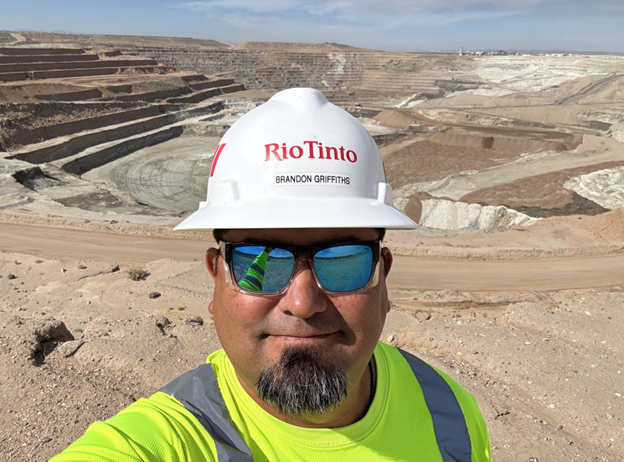
Brandon Griffiths
Senior Geologist
Rio Tinto Borates
20+ Years in Geology • Kern County Native
The Kramer Borate Deposit and the Significant Role it Plays in Providing Critical Minerals for the United States
Abstract:
Borates have been used as an industrial mineral for thousands of years. Sodium Borates have been mined and refined at Rio Tinto Borates Boron Operations for 100 years, and borate minerals have been mined in California since the mid to late 1800's with the early borate operations in Death Valley CA. Borates are an industrial mineral that are used in many products that we use every day, with a wide range of applications including agricultural uses, wood building material preservatives, fiberglass insulation, ceramics, heat tempered glass and glass in electronics, computer chips, and vehicle parts just to name a few. Since refined borates and the element boron play such a significant role in so many various products, the US Geological Survey has recently included Boron on the list of Critical Minerals for the United States, underscoring boron's economic and national security importance.
Professional Bio:
Brandon Griffiths is the Senior Geologist at Rio Tinto Borates Boron Operations. He has over 20 years of experience in geology roles. Brandon is a Kern County native growing up in the Mojave Desert town of Boron, CA. He attended the University of California at Santa Barbara and graduated with a degree in Geological Sciences in 2001. He worked in the Environmental Consulting industry in Southern California for 4 years performing subsurface contamination investigations and has been at Rio Tinto Borates Boron Operations for 20 years performing geotechnical and mine geology work. He currently manages the Mine Geology program at Boron Operations overseeing ore control and resource geology and is the Competent Person for Ore Reserve & Resource reporting for Boron Operations
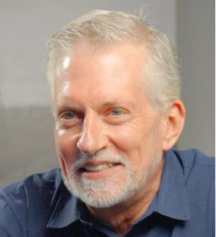
Ken Haney
Strategic Advisor & Engineering Manager
Carbon California Resources Corporation
Carbon Management • Natural Gas Exploration & Production
Petroleum & Well Management: Engineering and Economics
Professional Bio:
Ken Haney is the Strategic Advisor on Carbon Management and Engineering Manager for California Resources Corporation’s (CRC) Carbon TerraVault (CTV) business. Ken has 8 years of carbon management experience with CRC and 32 years of experience in upstream oil and natural gas exploration and production with CRC, Occidental Petroleum, Chevron, and Texaco.
Industry Experience & Technical Focus
Throughout his career, Mr. Haney has worked as an Engineer, Manager and VP on projects and reservoirs in California, West Texas, New Mexico, Alberta (Canada) and Columbia. His breadth of technical focus includes carbon management across the value chain from carbon dioxide (CO2) capture through transport and storage, miscible and immiscible gas injection, and primary/secondary and tertiary oil recovery operations in shale, clastic and carbonate reservoirs.
Education
Mr. Haney holds a Bachelor of Science degree in Geology from California State University, Bakersfield, and a Master of Science degree in Petroleum Engineering from the University of Southern California.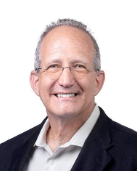
Stuart M. Heisler, PE
Co-Founder, VP & Senior Technical Director
Anacapa Engineering and Design, Inc.
Conventional & Alternative Energy • Solar Steam Generation • CERC Advisory Board
Scaling Microgrids: From Intelligent Control to Real-World Solutions
Professional Bio:
Stuart Heisler is the Co-Founder of Anacapa Engineering and Design, Inc. in Bakersfield, CA. Stuart has over 40 years of experience in conventional and alternative energy engineering and currently serves as a member of the Advisory Board at the California Energy Research Center (CERC) at CSUB.
Industry Experience & Technical Focus
Throughout his career, Mr. Heisler has held key technical and leadership roles, starting as a Production Engineer at Shell Oil and a Facilities Engineer at Chevron. In 1990, he joined TJ Cross Engineers as a Process Engineer, eventually becoming a partner and Engineering Manager until the firm's acquisition in 2015.
He holds a Mechanical Engineering License in California and nine (9) US Patents in Solar Steam Generation for Enhanced Oil Recovery (EOR). He is also an active member of the Society of Petroleum Engineers (SPE) and the American Petroleum Institute (API).
Education
Mr. Heisler holds a Bachelor of Science degree in Chemical Engineering from Wayne State University.
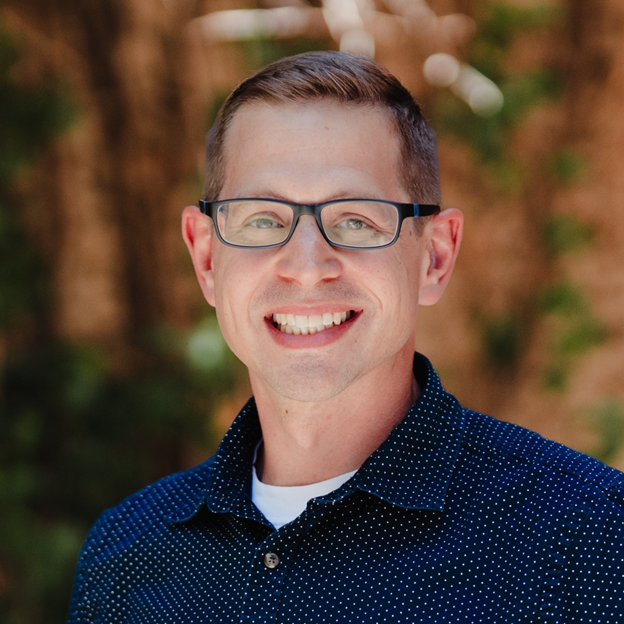
Matthew Herman, Ph.D
Associate Professor, Geological Sciences
California State University, Bakersfield
Earthquake Science • Geodynamics • Seismic Resilience
Earthquakes in California — Past, Present, and Future Hazards
Abstract:
California's position on the San Andreas plate boundary makes understanding earthquake hazards vital for community resilience. This presentation explores the baseline seismicity of the state and the emerging concerns regarding induced seismicity from subsurface injections. Dr. Herman will discuss how careful monitoring and public communication are essential to mitigating risks as California’s energy and water infrastructure evolves.
Professional Bio:
Dr. Matthew Herman is an Associate Professor in the Department of Geological Sciences at California State University, Bakersfield. His research interests include earthquakes, plate tectonics, and geodynamics. He is a member of many professional organizations, including the American Geophysical Union, Geological Society of America, and Seismological Society of America. He is on the SZ4D Modeling Collaboratory for Subduction committee, and is the Institutional Representative for CSUB at the Statewide California Earthquake Center. He has published numerous peer-reviewed papers on earthquake and tectonic processes around the globe.
In addition to teaching hazards- and geophysics-related courses at CSUB, Dr. Herman frequently gives interviews to media outlets and public talks to local organizations about earthquake science and hazards.
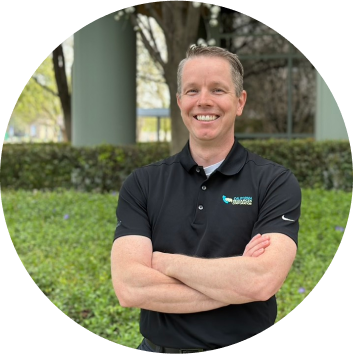
Travis Hurst
Geoscientist & Class VI Permitting Lead
Carbon TerraVault
Carbon Management Expert • Subsurface Geoscience
CTV I 26R – California's First Class VI Project
Abstract:
Carbon TerraVault has reached the completion of major construction on the CTV I 26R Class VI project—an achievement that advances California’s carbon management ambitions. This development delivers several industry firsts, including the state’s inaugural CO₂ injection and the county’s first Class VI injection into a depleted oil and gas reservoir. This presentation will highlight the technical and operational insights gained through execution and explain how these lessons establish a foundation for future large-scale carbon storage deployment.
Professional Bio:
Travis Hurst is a geoscientist with seven years of experience in carbon management at Carbon TerraVault. As the Class VI permitting lead, he has prepared and submitted multiple Class VI applications and successfully guided them through every stage of the regulatory process—including technical review, public comment, and final permit issuance. Travis brings deep subsurface expertise, practical project experience, and a strong track record of working with regulators to advance safe, commercially viable carbon storage projects.
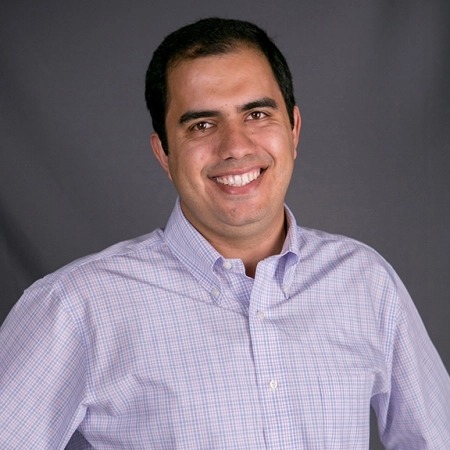
Saeed Jafarzadeh, Ph.D.
Associate Professor and Chair, Dept. of CEECS
California State University, Bakersfield
Smart Grid Policies • Energy Markets • Power Systems Estimation
Powering the Future: Energy Infrastructure, Storage, and Hydrogen
Professional Bio:
Dr. Saeed Jafarzadeh is an Associate Professor at California State University, Bakersfield. He currently serves as the Chair for the Computer and Electrical Engineering and Computer Science Department. He received his Ph.D. in Electrical Engineering from the University of Nevada, Reno.
His current research focus is on interdisciplinary aspects of the energy industry such as stability analysis of energy markets, forecasting renewable energy resources, quantification of smart grid policies, optimization of energy conversion systems, and power systems dynamic state estimation.
Research Interests
Dr. Jafarzadeh's expertise includes power systems, smart grid, renewable energy systems (including solar), energy markets, and energy conversion.
Academic Background
- Ph.D., Electrical Engineering, University of Nevada, Reno
- M.S., Engineering, Iran University of Science & Technology
- B.S., Electrical Engineering, University of Tehran
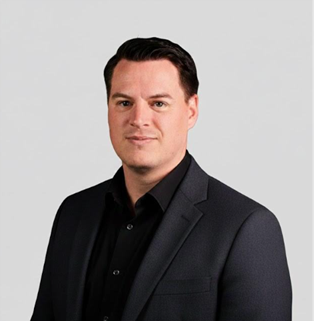
Bo Jones
Renewables Developer
Agilitech
Industrial Microgrids • Behind-the-Meter • Energy Independence
Microgrids – Lessons from the Field
Abstract:
California’s commercial and industrial energy users are facing a growing paradox: electricity is becoming more expensive, less reliable, and increasingly constrained by policy structures that discourage independent power generation. In this talk, Bo Jones draws from firsthand experience developing behind-the-meter microgrids for both public and private industry to examine how this dynamic plays out on the ground—and how it can be overcome.
The presentation opens with an anecdote from an industrial facility in Spain that reframes energy independence as an operational necessity rather than a sustainability ideal. From there, Jones walks through the development of a microgrid for Granite Construction in South Kern County, highlighting the technical, regulatory, and economic challenges encountered, the system design decisions shaped by California utility rate structures and incentive frameworks, and the resulting operational and financial outcomes.
Rather than treating microgrids as a collection of technologies, this session presents them as a strategic response to misaligned utility incentives and declining grid reliability. Designed for professionals across the public and private sectors, the talk offers a first-principles perspective on how behind-the-meter microgrids can restore control, resilience, and long-term abundance for industrial energy users in California.
Professional Bio:
Bo Jones is a Microgrid Developer at Agilitech in Bakersfield, California, and a leader in the development of behind-the-meter microgrids for heavy industry. With 15 years of industrial operations leadership and hands-on experience engineering grid-independent systems since 2020, his work focuses on helping commercial and industrial clients achieve energy independence, resilience, and long-term sustainability.
Bo brings a first-principles perspective to utility rate dynamics, system integration, and microgrid strategy, grounded in real-world outcomes for operators, engineers, and executives. His approach to energy can be summed up simply: Make energy abundant.
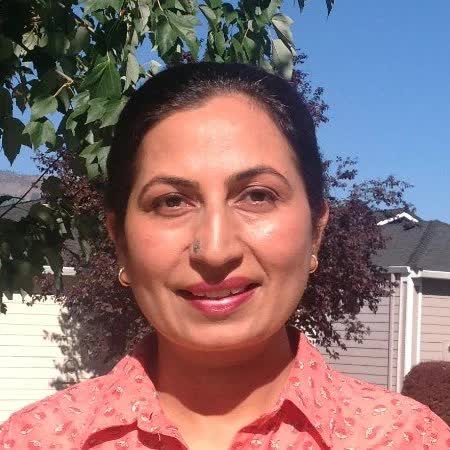
Kanwalinderjit Kaur, Ph.D
Associate Professor
California State University, Bakersfield
Energy and Power • Grid Resiliency • Security
Cyber Resilient 5G Enabled Communication Framework for Virtual Power Systems
Abstract:
A secure energy infrastructure is essential for modern societies with renewable energy sources like photovoltaic (PV) systems, which play a vital role in sustainability. Virtual Power Systems (VPS) integrate PV systems and Battery Energy Storage Systems (BESS) with Advanced Metering Infrastructures (AMI) and Supervisory Control and Data Acquisition (SCADA) systems for bidirectional monitoring, control, and communication. However, the increased reliance on AMI technology makes VPS vulnerable to cyberattacks, which can disrupt operations. This research presents a 5 G-enabled VPS framework that incorporates AI-based smart controllers and machine learning based cybersecurity measures to enhance system resilience. Using MATLAB, NetSim, and Hardware, this research work implements a framework with Transport Layer Security (TLS) and network intrusion detection mechanisms that strengthen VPS security, ensuring efficient and reliable renewable energy distribution. A machine learning based Network Intrusion Detection System was developed for the VPS communication network. System evaluation showed high model-to-model agreement values ranging from 93.4% to 97.2% between the different machine learning models used to classify network traffic as normal or anomalous (potential threat or attack), which indicated a high degree of consistency. The model prediction accuracies ranged from 94.92% to 99.9% for the different machine learning models assessed for network intrusion detection in the VPS communication system, which demonstrated the machine learning based system's robustness in detecting potential threats or attacks versus normal network traffic.
Professional Bio:
Dr. Kanwalinderjit Kaur, Ph.D. is an Associate Professor of Computer Science at California State University, Bakersfield. Her research spans a broad spectrum of cybersecurity and networking domains, including secure and resilient cyber-physical systems, IoT security, and next-generation wireless networks. Dr. Kaur has secured multiple competitive research awards and grants, reflecting her sustained contributions to both foundational and applied research. She is a Principal Investigator on two National Science Foundation (NSF) awards, including an NSF CISE Core project focused on advancing secure and resilient intelligent systems, and an NSF Cyber-Physical Systems (CPS) award supporting research in dependable and secure networked infrastructures. Notable leadership roles also include serving as Principal Investigator for the CSU AIEIC project focused on integrating information literacy into computer networks education, Co-Principal Investigator on the AI FAST initiative to enhance learning with artificial intelligence techniques, and Program Director for an NSA + NSF-supported GenCyber program at CSUB. She also leads and contributes to federally funded research in areas such as orchestration of 5G-enabled IoT systems and cyber resiliency for virtual power systems. Dr. Kaur is a life member of Upsilon Pi Epsilon, the international honor society for computing disciplines, and she has received several academic awards. She is a Senior Member of both IEEE and ACM, and an active member of IEEE’s Communications Society and the IEEE Women in Engineering affinity group, reflecting her commitment to professional engagement and mentorship in computing.

Cecilia Klauber, Ph.D
Group Leader, Systems Resilience and Security
Lawrence Livermore National Laboratory
Critical Infrastructure • AI Reliability • Cybersecurity
Enhancing Grid Resilience through Artificial Intelligence
Abstract:
Electric power grids are facing unprecedented challenges from rising demand and cybersecurity threats. While AI offers powerful capabilities for forecasting and defense, its integration into critical infrastructure introduces new concerns. This talk outlines use cases for AI in strengthening grid resilience and describes the path toward trustworthy, robust AI solutions for future operations.
Professional Bio:
Dr. Cecilia Klauber is a power systems research engineer and Systems Resilience and Security Group Leader at Lawrence Livermore National Laboratory (LLNL), where she has worked since 2020 on critical infrastructure resilience, especially for the energy sector. She leads multidisciplinary projects in the Cyber and Infrastructure Resilience program, developing technical solutions to enhance the resilience of critical infrastructure by focusing on modeling and simulation, risk assessments, electric grid cybersecurity, and threat analysis, including how to keep the electric power grid secure with artificial intelligence and from artificial intelligence.
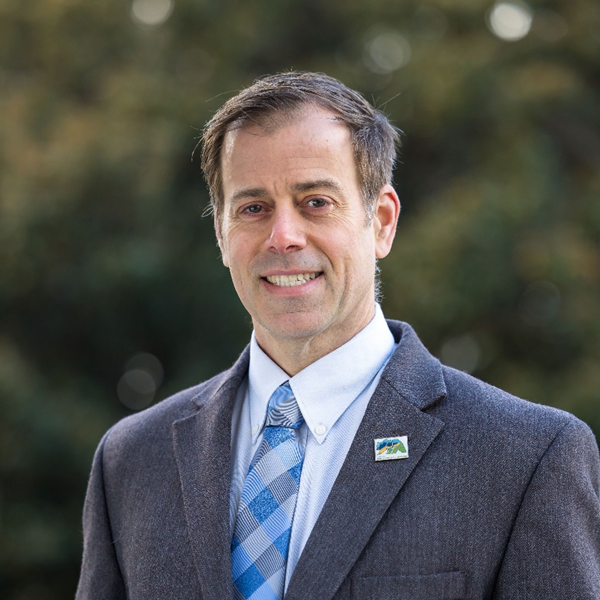
Jeremy Lancaster
State Geologist & Director
California Geological Survey
Applied Engineering Geology • 10,000+ Sq Miles Mapped
Assessing Critical Mineral Resources in California
Abstract:
California hosts a diverse suite of critical mineral resources that are increasingly important to clean energy technologies, advanced manufacturing, and national supply chain resilience. Achieving state and federal energy and climate objectives requires modern geologic mapping, high quality geochemical datasets, and systematic resource delineation to quantify mineral potential and support responsible development. To address these needs, the California Geological Survey is conducting targeted geologic mapping, geochemical reconnaissance, and mine waste characterization in regions prospective for cobalt, nickel, lithium, boron, tungsten, copper, and rare earth elements. Current CGS investigations reveal important data gaps in our understanding of key critical mineral systems, highlighting the need to expand research capacity through academic partnerships. Strengthening these partnerships and our workforce is essential for advancing statewide critical mineral assessments, improving mineral system models, and developing integrated geoscience datasets that underpin informed long term resource planning and conservation.
Professional Bio:
Jeremy Lancaster is the State Geologist and Director of the California Geological Survey. Jeremy has led multidisciplinary teams focused on geologic mapping, the fire-flood sequence, landslides, geological modeling and carbon sequestration. His career includes early work with DWR, the URS Corporation, and the Department of Transportation, building a foundation in groundwater, landslides, and applied engineering geology. Within the state of California, he has played key roles in major numerous multi-agency initiatives, including the implementation of carbon sequestration initiatives, statewide seismic monitoring, the California Alluvial Fan Task Force, and the Desert Renewable Energy Conservation Plan. Jeremy has authored fifteen peer‑reviewed publications, several multi‑agency reports, and more than ten CGS Special Reports and geologic maps, and has performed geologic mapping over 10,000 square miles of California terrain. He has delivered more than 100 professional presentations, and remains committed to advancing applied geology, and effective geoscience communication.
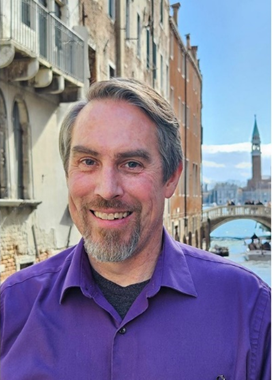
Scott McCall, Ph.D
Group Leader, Focus Area Land
Lawrence Livermore National Laboratory
Florida State University Ph.D. in Physics
Critical Materials: Opportunities and Challenges
Abstract:
Critical materials enable modern societies and are essential to economic, energy, and national security. They also face the risk of supply chain disruption as there are limited available resources which are often expensive to produce and are generally difficult to replace. They enable much of the technology of modern life such as strong magnets needed for compact efficient motor/generators, efficient energy storage for electronic devices and electric vehicles, and advanced semiconductors needed for power electronics and stabilization of the electrical grid. This talk will provide an overview of critical minerals & materials and where there are opportunities for domestic industry. Prepared by LLNL under Contract DE-AC52-07NA27344.
Professional Bio:
Dr. Scott McCall is the Actinide and Lanthanide Science Group Leader within the Materials Science Division of Lawrence Livermore National Laboratory and a founding member of the Critical Materials Innovation Hub (CMI), a DOE Energy Innovation Hub, where he currently serves as the Crosscutting Research Focus Area Lead. CMI consists of 9 national laboratories, 25 universities, and many industrial partners and is dedicated to advancing early-stage research in critical materials. He is also a founding member of METALLIC, the Minerals to Materials Supply Chain Research Facility and serves as lead for the Alloy Design and Advanced Manufacturing (ADAM) Center within METALLIC. METALLIC is a federated system of national laboratories dedicated to accelerating critical material technologies from the bench scale to pre-pilot/pilot scale.
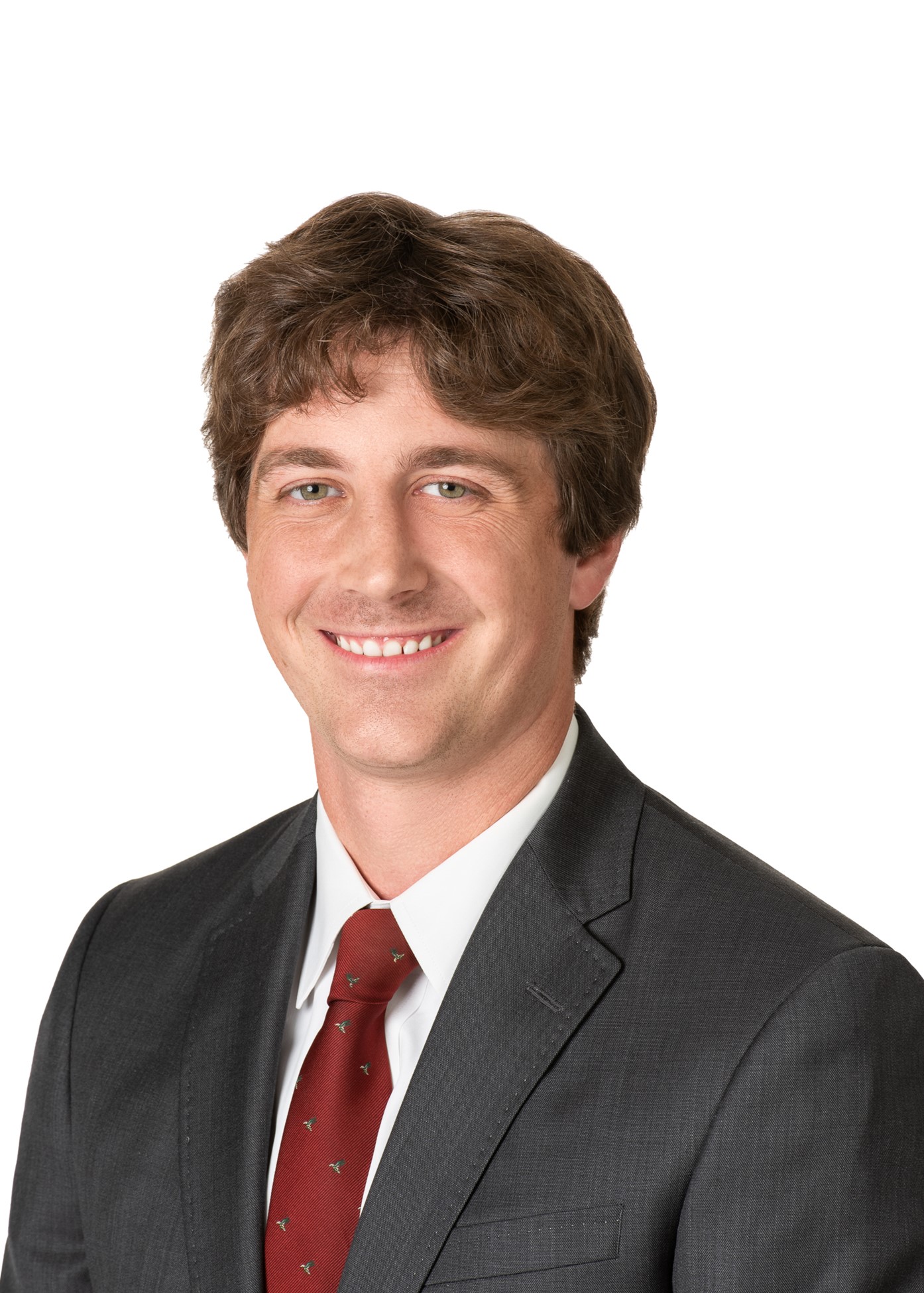
Mark McClure, Ph.D
Co-Founder and Chief Executive Officer
ResFrac
Stanford Ph.D. in Energy Resources Engineering
Geomechanical Issues for CO2 Sequestration - Stress Estimation and Thermoelastic Stress Changes
Abstract:
This talk will cover two geomechanics-related issues for CO2 sequestration: stress estimation and the effect of thermoelastic stress changes. (1) During CO2 sequestration, it is important to inject below the frac gradient to maintain seal integrity. Fracture injection tests are commonly used to estimate stress. However, some commonly-used methods are known to systematically underestimate the stress, which can create unnecessary limitations on injection pressure. The underestimate is particularly significant in underpressured formations, which makes it a particular issue for CO2 injection projects, which often seek normally pressured or underpressured formations. (2) During long-term injection, the formation gradually cools around the well. This induces a localized stress reduction which can cause a small fracture to form in the region of cooling. The fracture can be beneficial because it helps maintain injectivity. However, there is a risk that this process could affect cap rock integrity. The formation of cooling cracks should be taken into account as part of cap rock integrity analysis.
Professional Bio:
Mark McClure established ResFrac in 2015 to help operators maximize value through the application of advanced geomechanics and reservoir simulation. Before founding ResFrac, Mark was an assistant professor at the University of Texas at Austin in the Department of Petroleum and Geosystems Engineering. After earning a Bachelor of Science in chemical engineering and a Master of Science in petroleum engineering from Stanford University, Mark earned a Ph.D in energy resources engineering at Stanford.
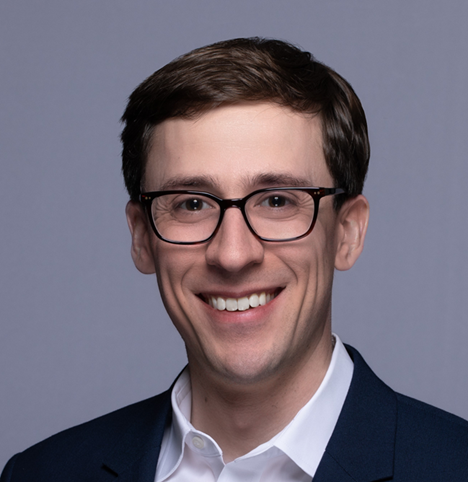
Joseph Mello
Petroleum Engineering Consultant
Netherland, Sewell & Associates, Inc. (NSAI)
Reservoir Simulation • CCS Specialist
Regulations, Reserves, and the Future of Oil Production in California
Abstract:
California is fortunate to have some of the most prolific conventional basins in the United States, and once led the United States in oil production. In recent years state and local regulations, such as SB 1137, have limited the ability of producers to maintain the shallow decline that had been a key characteristic of the state's fields for decades, while other permitting bottlenecks have also constrained development specifically in the San Joaquin Valley. 2025 may mark a turning point with the new SB 237 creating a pathway for streamlined permitting on up to 2,000 new oil wells each year in Kern County. This presentation will take a look back at the impact of restrictive policy on production and reserves over the past decade, and look forward to the potential impact of loosening those restrictions.
Professional Bio:
Joe has been a petroleum engineering consultant at NSAI since 2015. He has extensive experience with offshore deepwater assets worldwide, especially the Gulf of America, the North Sea, and offshore West Africa. He also regularly evaluates conventional reservoirs across the onshore United States, including reserve evaluations for California assets for producers and state government entities. Joe specializes in dynamic reservoir simulation for oil and gas evaluations and also applies this expertise to assess reservoirs for potential carbon capture and sequestration (CCS) projects, leading CCS evaluations at NSAI. Prior to joining NSAI, Joe worked at ExxonMobil as a reservoir and production engineer at the Santa Ynez Unit, located offshore Santa Barbara, California.
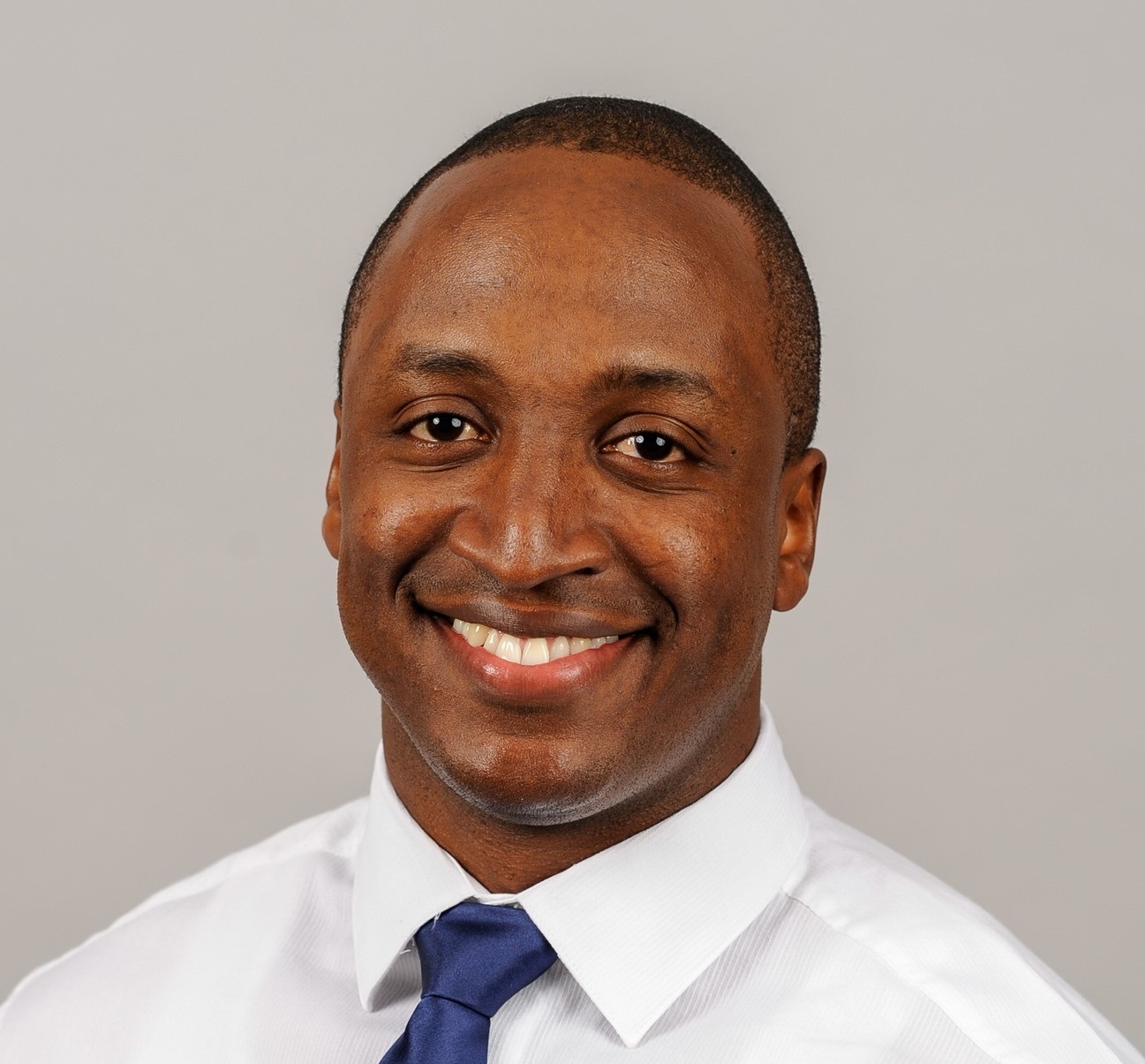
Nyakundi Michieka, Ph.D
Professor, Department of Economics
California State University, Bakersfield
West Virginia University Ph.D in Natural Resource and Environmental Economics • Director, Center for Economic Education and Research (CEER)
The Economic Impact of the Oil and Gas Industry in Kern County
Abstract:
The oil and gas industry plays a significant role in Kern County’s economy. It directly employs workers in oil and gas extraction, transportation, and refining sectors, while indirectly supporting jobs among merchant wholesalers, accountants, payroll technicians, architects, engineers, lawyers, and inspectors. In this session, the speaker will examine both the direct and indirect economic impacts of the oil and gas industry in Kern County.
Professional Bio:
Nyakundi Michieka is a Professor in the department of Economics at California State University, Bakersfield (CSUB), where he also serves as the Director for the Center for Economic Education and Research. His primary research focuses on energy, environmental economics and regional economics. Dr. Michieka has presented his work at numerous conferences and has authored over 38 research publications in esteemed journals, including Energy Economics, Applied Energy, Energy Policy, Economic Modelling and Economic Analysis and Policy. Additionally, he has contributed three book chapters and has several working papers. His current research examines the long- and short-run effects of oil prices on Kern County’s economy. He also analyzes and reports on economic trends in Kern County through CSUB’s Kern Economic Journal. Dr. Michieka has collaborated with faculty to secure $2 million in research funding for CSUB and is actively mentoring students on these projects. Originally from Kenya, Dr. Michieka earned his undergraduate degree in Mechatronic Engineering from Jomo Kenyatta University of Agriculture and Technology. He later pursued a Master’s degree from East Stroudsburg University of Pennsylvania before obtaining his Ph.D. in Natural Resource and Environmental Economics from West Virginia University. Dr. Michieka has been recognized for his contributions to academia and research, receiving the 2019 Promising New Faculty Award. He is also an E. Kika De La Garza Fellow and in 2024, was honored with the CSUB Unity Award.
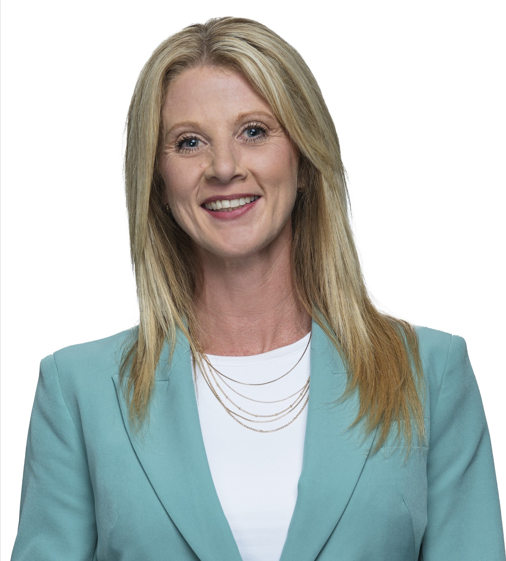
Melinda Palmer
Vice President Regulatory & Public Affairs
Kern Energy
Kern Energy • Power & Energy
Industrial Decarbonization and Innovation at Kern Energy
Abstract:
In this presentation, Melinda Palmer will share perspectives on industrial decarbonization through the lens of Kern Energy’s innovation‑driven approach and role as a real‑world incubator for piloting and scaling emerging technologies. Grounded in Kern County’s unique position in California’s energy landscape, she will highlight Kern Energy’s success in leveraging collaborative partnerships to advance pragmatic, scalable solutions that support environmental stewardship, workforce development, and long‑term economic resilience in our region.
Professional Bio:
Melinda Palmer joined Kern Energy (Kern) in 2011 and has become one of California’s leading voices navigating the complex intersection of energy production, environmental stewardship, and community responsibility. She is recognized for advancing an innovation-driven approach that balances care for people and the planet while ensuring the reliable production of transportation fuels.
As Vice President – Regulatory & Public Affairs, she develops strategy and leads advocacy and engagement with agencies, elected leaders, community partners and organizations. Palmer is a trusted voice who understands the importance of building partnerships that drive industry innovation, support job creation, and improve the environment.
Prior to joining Kern, Palmer served in regulatory compliance positions with Shell Oil and Big West of California, leading Health, Safety and Environmental teams within both organizations. Palmer serves on the California State University, Bakersfield (CSUB) Foundation Board and the Dean’s Industry Advisory Board for CSUB’s College of Natural Sciences, Mathematics & Engineering. She also serves as a Trustee for the Bakersfield Ronald McDonald House and is an active member of the AB617 Arvin-Lamont Community Steering Committee.
Palmer earned a bachelor’s degree in chemistry from California State University, Bakersfield and is proud to be a native of the community. In her free time, she can be found training for her next half-marathon or spending time with her family.
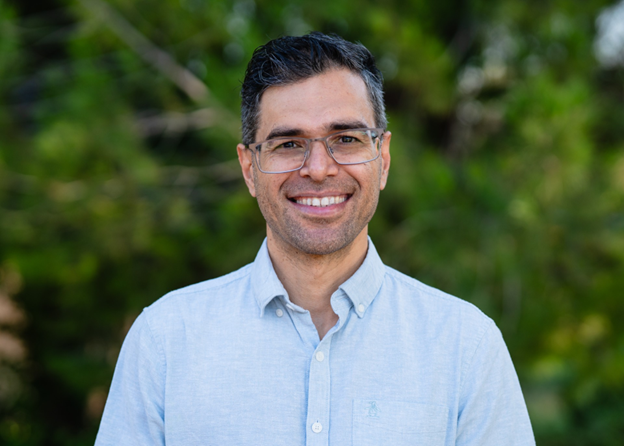
Ehsan Reihani, Ph.D
Associate Professor, Computer and Electrical Engineering
California State University, Bakersfield
University of Hawaii Ph.D • Smart Grids • Agentic AI • Energy Storage Optimization
Autonomous AI for Microgrid Design
Abstract:
This project uses agentic AI, an autonomous system that can observe, reason, and act, to design and optimize microgrids, the small power networks that combine solar, batteries, and local energy sources. Instead of relying on months of manual engineering, the AI runs simulations, diagnoses issues like instability or oscillations, learns what works, and automatically adjusts control settings for smooth, reliable power. The result is faster design, lower cost, and more resilient clean energy systems for communities, businesses, and critical facilities.
Professional Bio:
Ehsan Reihani, Ph.D., is an Associate Professor of Computer and Electrical Engineering at California State University, Bakersfield, and a collaborator with the California Energy Research Center. His research focuses on renewable energy integration and AI applications in power systems, including battery energy storage optimization, microgrid control, demand response, and peer-to-peer energy markets. Dr. Reihani earned his Ph.D. from the University of Hawaii at Manoa and completed postdoctoral research at GridSTART. His work has generated over 890 citations and directly supports California's transition to 100% clean energy. He currently mentors undergraduate research in parallel computing for energy optimization and AI-driven autonomous systems.
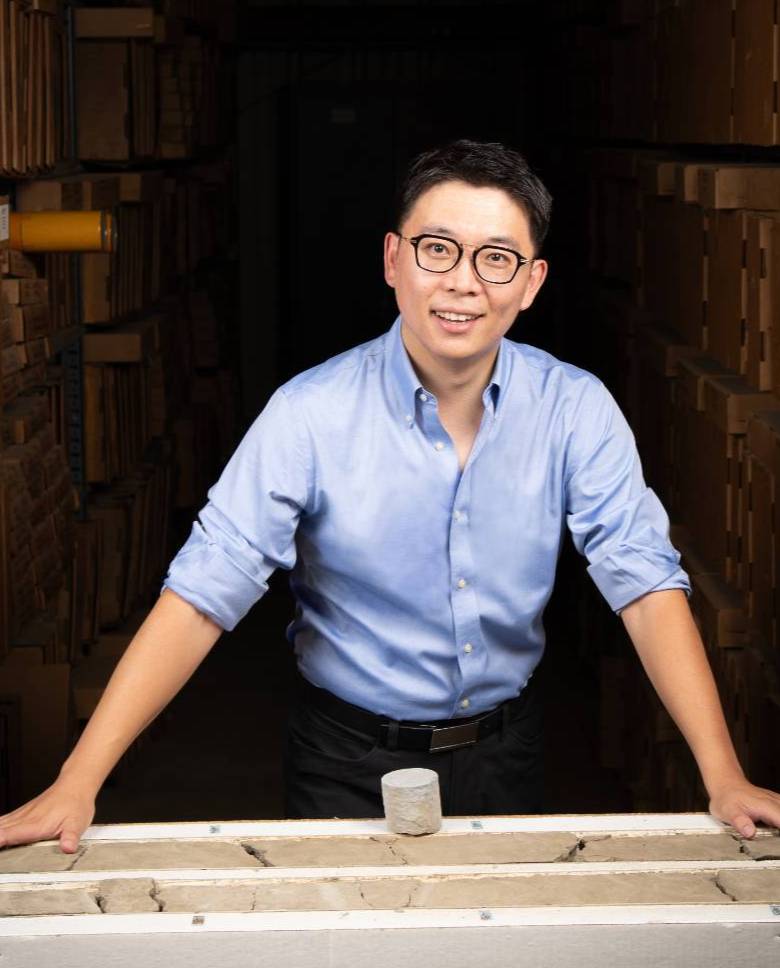
Liaosha Song, Ph.D.
Associate Professor & Lab Director
California State University, Bakersfield
CO2 Sequestration • Hydrogen Storage • Advanced Micro-Imaging
Critical Minerals: From Discovery to Domestic Deployment
Professional Bio:
Dr. Liaosha Song is an Associate Professor of Geology in the Department of Geological Sciences and serves as Lab Director at California State University, Bakersfield. He received his Ph.D. in Geology from West Virginia University in 2018.
His research focuses on using advanced imaging, geochemistry, and numerical modeling methods to understand mineral assemblage, diagenesis, and fluid-flow in sedimentary rocks. His expertise includes examining rock microstructures using SEM, EDS, FIB-SEM, and microCT, as well as seismic and well-log interpretation. He has been involved in major regional studies including the Appalachian basin, San Joaquin basin, and the North Slope of Alaska.
Current Research & Projects
Dr. Song's primary interests include hydrogen geologic storage, carbon sequestration, and the petrophysical properties of fine-grained sedimentary rocks. Current funded projects include 3D characterization of reservoirs using high-resolution X-ray microtomography and evaluating CO2 flow characteristics using Computational Fluid Dynamics.
Academic Background
- Ph.D., Geology, West Virginia University
- M.S., Marine Geology, China University of Petroleum
- B.S., Geology, China University of Petroleum
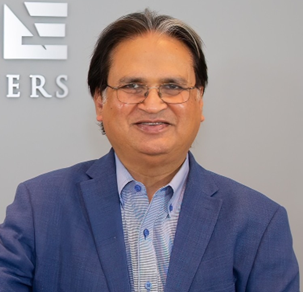
PV (Suri) Suryanarayana, Ph.D
CEO & President
Blade Energy Partners
Rice University Ph.D. • Well Engineering Expert
Key Technologies the Geothermal Industry Needs from the Oil and Gas Industry
Abstract:
Despite its promise of a virtually inexhaustible source of baseload power, geothermal energy has remained a niche provider of renewable energy in the global energy mix, restricted to hydrothermal production in geographically limited locations. In recent times, geothermal energy has re-emerged as a clean energy resource with vast potential, with the advent of enhanced (or engineered) geothermal systems (EGS). The basic premise of EGS is to engineer and construct a heat exchanger within the resource. The most commonly used approach is to connect two (or more) horizontal wells through multi-stage hydraulic fracturing. However, many novel concepts have been developed in just the past decade, creating hope for “Geothermal Anywhere”. Recently, Mazama Energy reported a successful pilot in Newberry, Oregon, at 331°C, the hottest ever EGS. The “holy grail” is to access and produce from superhot rock (SHR) resources (>374°C). For decades, the geothermal world has relied on oil and gas standards, codes, and materials. Development of the new geothermal energy will require more. This presentation explores five key technologies that will need to be adapted from the oil and gas industry, and repurposed and improved for advanced geothermal energy extraction. These are:
• Horizontal drilling: Horizontal drilling is very mature in the oil and gas industry, and extended reach wells with step-outs of several kilometers are quite common. Recent successes in Fervo and Forge have shown that for EGS, horizontal wells are needed. In EGS, the technologies developed in the O&G world will have to be repurposed and improved for efficient application in hard, hot rock.
• Multi-stage propped hydraulic fracturing: It is not enough to drill the horizontal wells- we need to connect them with multi-stage hydraulic fractures. The shale revolution has made multi-stage fracturing routine, at scale. These ideas provide a strong foundation for EGS application. Challenges remain, including temperature limits of tools and equipment.
• Well Design: Lifetime well integrity is at the core of a successful EGS project. The heavy oil industry has routinely used steam for enhanced oil recovery, at temperatures as high as 350°C. These wells cannot be designed using standard design techniques. Advanced design methods like Strain-based design and low cycle fatigue design were developed to address these limitations. In addition, complex HPHT and deepwater wells also require advanced design approaches like reliability-based design. Advanced cements have been designed for such challenging thermal conditions. These advanced methods will almost certainly be needed in the geothermal industry, especially as temperatures inch higher and higher.
• Materials Selection: Corrosion and cracking are old enemies, and the oil and gas industry has developed a number of materials to combat these threats to well integrity. The body of knowledge and special materials created by them will be vital to the geothermal industry, which will no doubt add further complexity as temperatures creep up. • Insulated Tubulars: The oil and gas industry has long used vacuum insulated production tubing – for heat retention and flow assurance. Both these are important considerations in EGS too. Many recent projects have considered VIT, and pushing the envelope on the diameter of VIT to allow commercial rates to be produced in EGS. In the presentation, we will briefly explore each of these technologies, their importance to the geothermal world, state-of-the-art, and the challenges and limitations that we still need to address to scale them to meet the requirements of modern geothermal energy extraction.
Professional Bio:
PV Suryanarayana (Suri) has over 34 years of professional experience as a practicing engineer in upstream energy. The underlying theme of his career has been solving unique engineering problems and developing new technologies in the energy industry with a focus on well integrity, thermal problems, multiphase flow modeling and probabilistic design. Suri started in the oil and gas industry in Mobil’s research center in 1991, with a focus on well engineering and well integrity. In 2000, Suri co-founded Blade Energy Partners, where he leads their engineering and R&D groups, and currently serves as CEO. His current interests include carbon sequestration, alternative energy engineering, thermal and geothermal well engineering, and reliability-based design. With over 100 archival publications and four patents, Suri has made several fundamental contributions to the energy industry, including the application of reliability-based design to complex wells, strain-based and low-cycle fatigue design for thermal and geothermal wells, well design and thermal performance analysis for superhot rock geothermal, and well integrity and leak risk assessment for carbon sequestration projects. Suri has also co-developed and taught several advanced courses, in advanced casing design, geothermal and thermal well design, and carbon sequestration.
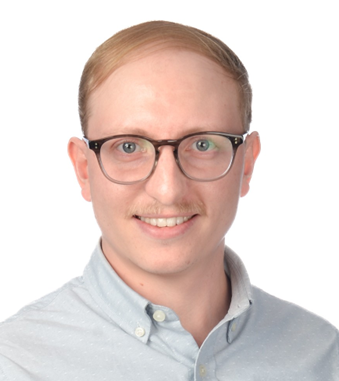
Lucas Thexton
Engineering Manager
Hydrostor
8+ Years in Advanced CAES Technology Development
On the CAES: How Hydrostor's Advanced CAES technology has improved on traditional CAES
Abstract:
Traditional compressed air energy storage (CAES) technology has been around for decades, but has not been broadly deployed because of constraints around heat, siting, and efficiency that have made the technology very expensive. Hydrostor has improved on this model and solved these issues around heat, siting, and efficiency with their patented advanced compressed air energy storage (A-CAES) technology, to bring costs down and ease other development constraints. The result is the Willow Rock Energy Storage Center, the company's flagship U.S. development, being built in Kern County, California. In this session, Hydrostor will discuss the constraints present with CAES, and how Hydrostor, through iterative engineering and design, solved these issues to result in an efficient, long-duration energy storage system with emissions-free operations.
Lucas is an Engineering manager at Hydrostor who has been working on the development and advancement of the Advanced Compressed Energy Storage (A‑CAES) technology for over 8 years. Lucas has been supporting the adoption of the A-CAES technology at Hydrostor’s Willow Rock project in Rosamond, CA from the project conception.

Christina Wagoner
Project Manager III
Kaiser Permanente
Renewable Energy Strategy • Carbon Neutrality Expert
Microgrid Development at Kaiser Permanente
Abstract:
This presentation will provide a history of microgrid development at Kaiser Permanente, originally conceived as a way to protect KP facilities from power outages in California, stemming from an increasing number of power shutoffs due to wildfire risks. KP has implemented a number of microgrid projects, culminating in the implementation of the largest renewable energy-based microgrid at a US hospital. This project was completed in April, 2025 at KP’s Ontario Medical Center.
Professional Bio:
Christina Wagoner supports Kaiser Permanente’s Energy and Utilities Center of Excellence by delivering on-site distributed energy projects across 122 hospitals, medical office buildings, and data centers. Her portfolio includes fuel cell, battery storage, solar photovoltaic, and EV charging programs, for which she has overseen the deployment of more than 2,500 EV charging ports and 53 MW of solar generation. In addition, Christina led the delivery of the nation’s largest hospital‑based renewable microgrid at Ontario Medical Center, which became operational in April of 2025. These initiatives are a significant part of Kaiser Permanente’s overall decarbonization and sustainability strategies.
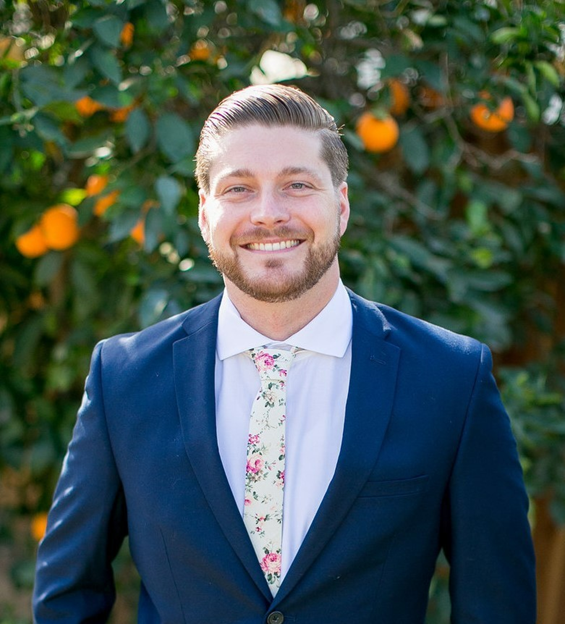
Blaine Waymire
Sr. Reliability Engineer
SoCalGas
Hydrogen Blending • Grid Reliability • Decarbonization Strategy
Hydrogen Research and Initiatives at SoCalGas
Abstract:
This presentation will cover active and proposed hydrogen blending demonstration projects, regulatory updates on hydrogen projects, and a brief update on hydrogen blending research.
Professional Bio:
Blaine Waymire is a Sr. Reliability Engineer for the Engineering Development and Technology Team at SoCalGas, where he is responsible for advancing hydrogen blending projects and policy. In this role, he oversees the implementation and execution of hydrogen blending demonstration projects, research studies, and manages the regulatory strategy for hydrogen blending. Blaine brings 13 years of experience in the utility industry, with specialized expertise in Hydrogen Research, Distributed Energy Resources and Energy Efficiency. He holds a bachelor’s degree in mechanical engineering from California State University, Long Beach, and is a Licensed Professional Engineer in California. Additionally, Blaine is recognized by the Association of Energy Engineers as a Certified Energy Manager and Distributed Generation Certified Professional.